
How Indiana Wedding Photographers Evaluate a Venue Before the Wedding
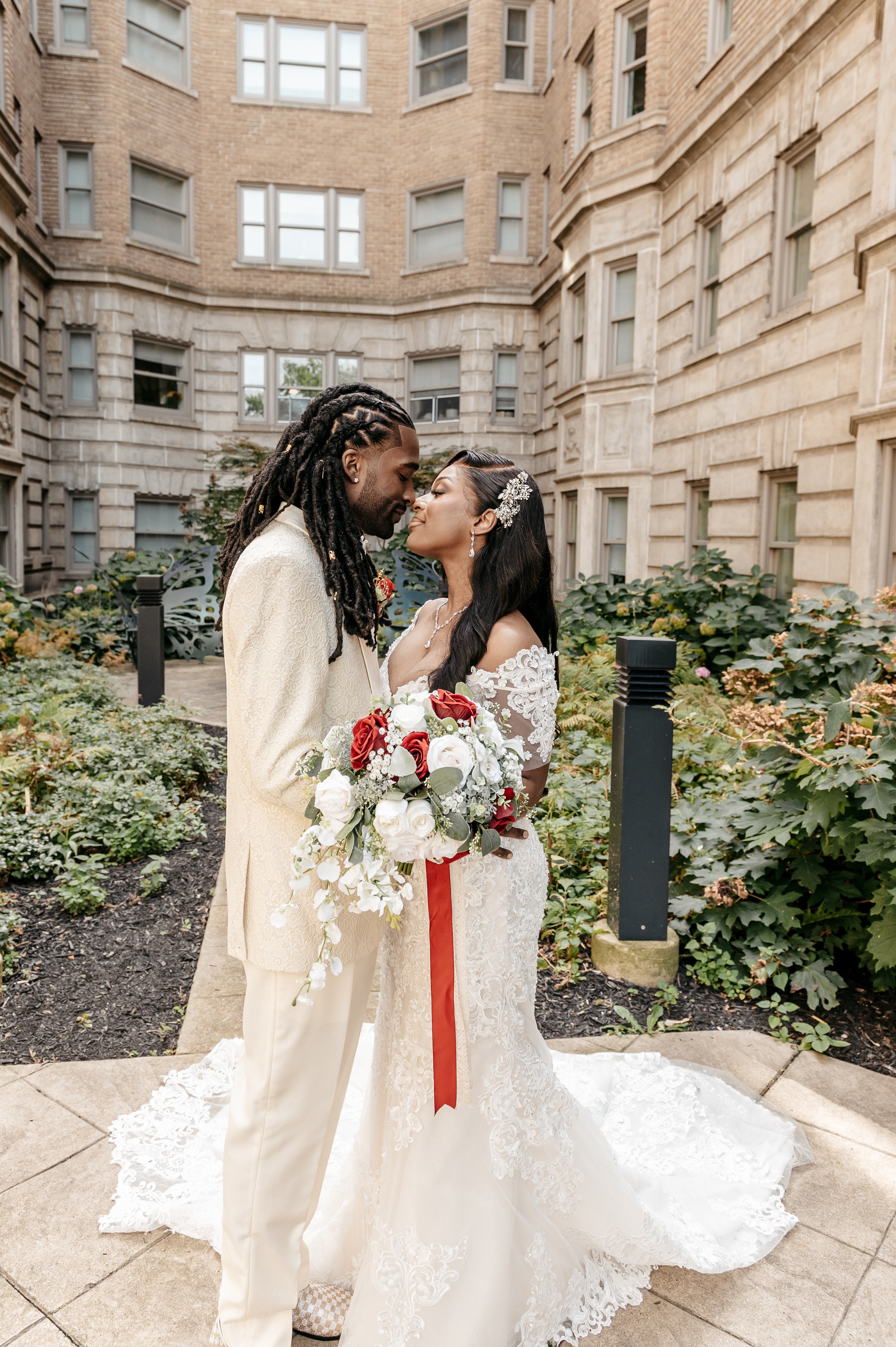
An Indiana wedding photographer evaluates a venue long before the wedding day by studying its light, ceremony and reception locations, portrait areas, indoor alternatives, walking distances, and weather options. These details shape how efficiently a photographer can document the day and how much variety can be created in the final gallery. Couples researching Indiana wedding venues for photography should look beyond appearance and consider how the venue actually works for photographs. At Reflections Media, venue planning includes looking at the spaces, timeline, lighting conditions, and movement between locations so important moments can be photographed without unnecessary delays.
Why Venue Evaluation Matters for Wedding Photography
A beautiful venue can still create photography challenges. A ceremony room may have limited natural light, a reception space may require long transitions, or the best portrait location may be unavailable during part of the day.
A photographer reviews these details before creating a photography timeline. The goal is not to change the wedding plans, but to understand how the venue can support them.
During a venue review, a photographer commonly considers:
- Where the strongest natural light enters the building
- How much time is needed to move between major spaces
- Where family and wedding party portraits can take place
- Which areas provide privacy for couple portraits
- Where guests will gather before and after the ceremony
- How indoor and outdoor spaces connect
- What happens if rain, snow, heat, or strong wind affects outdoor plans
- Where photographers can work without blocking guests or disrupting the ceremony
This early assessment helps create a realistic timeline instead of relying on ideal conditions that may not exist on the wedding day.
Indiana Venue Types Create Different Photography Conditions
Indiana weddings take place in a wide range of settings, and each venue type presents different opportunities.
Historic and Estate Venues
Historic homes, restored estates, and older properties often provide distinctive architecture, staircases, gardens, windows, and textured interiors. These features can add variety to portraits without requiring multiple locations.
The photographer also checks the relationship between indoor rooms and outdoor areas. A couple may have a beautiful garden available for portraits, but reaching it could require several minutes of walking and gathering the wedding party.
Barn and Rustic Venues
Barn venues often combine indoor reception spaces with open grounds, fields, wooded areas, or gardens. The surrounding property can provide several portrait options.
Light is especially important. Large barn doors may create strong directional light, while smaller windows can produce darker interiors. A photographer studies these conditions to determine the best times for portraits and detail photographs.
Hotels and Urban Venues
Hotels and city venues often place the ceremony, reception, getting-ready rooms, and portrait locations on different floors or in separate sections of a building.
Elevators, hallways, stairs, parking areas, and guest traffic can all affect the timeline. A photographer may plan portraits near the reception area to reduce unnecessary movement and protect time for candid moments.
Outdoor and Garden Venues
Outdoor venues can offer attractive backgrounds, but the photographer must also assess shade, direct sunlight, wind exposure, walking surfaces, and nearby indoor spaces.
A strong outdoor plan should always have a practical indoor alternative. Indiana weather can change throughout the year, so a backup location should be evaluated as part of the original photography plan.
Natural Light Can Change the Look of the Gallery
Light is one of the first things a professional photographer Indiana couples hire should evaluate.
A venue may have large windows, but window size alone does not determine photographic quality. The direction of the light, time of day, surrounding structures, curtains, and interior colors all affect the final image.
For example, a getting-ready room with soft window light may work well for portraits and wedding details. A dark room with overhead lighting may require a different approach.
Photographers often identify several lighting conditions during a venue assessment:
- Morning light: Useful for preparation photographs and quieter portraits.
- Midday light: Stronger sunlight can require shaded areas or indoor alternatives.
- Late afternoon light: Often provides softer conditions for outdoor portraits.
- Evening light: May require artificial lighting, especially after sunset.
The photography timeline should account for these changes instead of treating daylight as constant throughout the day.
Ceremony Location Affects the Photography Timeline
The ceremony location determines more than where the vows take place. It affects photographer positioning, guest movement, family portraits, and the timing of the next part of the day.
Before the wedding, a photographer checks:
- Available angles from the back and sides
- Lighting around the couple
- Placement of the altar or ceremony structure
- Guest seating and aisle width
- Restrictions on photographer movement
- Distance from the ceremony to portrait locations
- Time needed to reset the space for the reception
A ceremony held in a separate building can add meaningful travel time. A ceremony and reception in the same room may reduce travel but require a quick transition between events.
These details matter because even a five or ten-minute delay can affect sunset portraits, family photographs, or reception coverage.
Portrait Areas Should Be Chosen Before the Wedding Day
A strong portrait location is not always the most obvious part of the venue.
Photographers look for areas with flattering light, clean backgrounds, enough room to position people comfortably, and limited guest traffic. They may also identify several options so the couple is not dependent on one location.
A useful venue assessment can include:
| Venue feature | What the photographer checks | Why it matters |
|---|---|---|
| Large windows | Direction and quality of light | Helps create natural indoor portraits |
| Gardens | Shade, backgrounds, walking access | Provides outdoor portrait variety |
| Staircases | Space and lighting | Can create strong group and couple compositions |
| Open fields | Sun position and wind | Helps plan outdoor portraits |
| Hallways | Width and guest traffic | Determines movement and usable angles |
| Getting-ready rooms | Space, windows, clutter | Supports preparation photographs |
The best portrait plan usually includes a primary location and one or two alternatives.
Weather Backup Plans Need More Than a Rain Location
Indiana weather can influence wedding photography throughout the year. Rain is only one concern. Snow, high temperatures, strong winds, and changing sunlight can also affect outdoor plans.
A photographer checks the venue’s indoor options before the wedding rather than waiting for poor weather.
A practical backup plan should answer three questions:
- Where will portraits happen if outdoor plans change?
- Can the indoor space accommodate the full wedding party?
- Can the photography schedule continue without major travel or room changes?
An indoor backup does not have to feel like a compromise. A well-lit room, covered patio, architectural hallway, or spacious reception area can provide attractive alternatives when selected in advance.
Travel Between Spaces Can Quietly Change the Timeline
Venue size is easy to underestimate. A location may look compact during a tour but require considerable time to move between rooms.
For wedding photography Indiana couples should consider the time needed to move:
- From the getting-ready room to the ceremony
- From the ceremony to family portraits
- From family portraits to couple portraits
- From portraits to the reception
- Between indoor and outdoor locations
The photographer also considers elevators, stairs, parking, uneven ground, and guest congestion.
A timeline that gives three minutes for a journey that actually takes eight can create delays throughout the day. Venue walkthroughs help photographers build realistic movement times into the schedule.
How Venue Layout Shapes the Photography Timeline
Venue layout affects the order in which photographs can be created.
For example, if the getting-ready rooms, ceremony space, and portrait area are close together, a photographer may be able to capture more moments without adding travel time. If those areas are far apart, photographs may need to be grouped more carefully.
A practical photography timeline might follow this sequence:
- Detail photographs and getting-ready coverage
- Individual preparation portraits
- First look or private couple photographs, if planned
- Wedding party and family portraits
- Ceremony coverage
- Immediate family photographs
- Couple portraits
- Reception details and guest arrivals
- Reception events and candid coverage
- Evening portraits, if the schedule and light allow
The exact order depends on the venue, ceremony time, photography package, and couple’s priorities.
Questions Couples Should Ask Before Booking a Venue
Couples can make venue comparisons easier by asking photography-specific questions during tours.
Consider asking:
- Which rooms have the best natural light?
- Is there an indoor location for portraits?
- Where can family photographs take place?
- Are photographers allowed to move during the ceremony?
- How far is the ceremony space from the reception?
- Is there a covered outdoor area?
- Can the venue provide a private space for couple portraits?
- Are there restrictions on flash photography?
- How much time is available between the ceremony and reception?
- Can the photography team visit the venue before the wedding?
These questions can reveal practical details that are not always obvious from venue photographs or promotional materials.
What an Indiana Wedding Photographer Looks For During a Venue Walkthrough
A venue walkthrough gives the photographer an opportunity to connect the physical space with the wedding schedule.
During the visit, an Indiana wedding photographer may identify the best locations for preparation photographs, family groups, wedding party portraits, couple portraits, ceremony coverage, reception details, and candid guest photographs.
Reflections Media can use this planning stage to understand how each venue functions from a photography perspective. The objective is to build a realistic plan around the actual property rather than forcing the same timeline onto every wedding.
For couples comparing wedding photography services Indiana, this type of preparation can also reveal how much planning is included before the wedding itself.
Choosing a Venue With Photography in Mind
Venue appearance should be only one part of the decision. Couples should also consider how the space supports the photographs they want and how easily a photographer can work within the venue’s layout. Choosing the right Indiana wedding photographer can also make this process easier, especially when the photographer has experience working with different venue types, lighting conditions, and seasonal changes across the state.
A venue may be a strong match when it offers:
- Multiple portrait locations
- Useful natural light
- A practical indoor backup
- Short distances between major spaces
- Attractive ceremony surroundings
- Enough room for family and wedding party photographs
- Flexible options for changing weather
- A layout that supports the desired photography timeline
The right choice depends on the couple’s priorities. A large estate may suit someone who wants varied outdoor portraits, while a hotel may work better for couples who prefer minimal travel between events.
Frequently Asked Questions
How early should a wedding photographer visit the venue?
A venue visit is useful several weeks or months before the wedding, particularly when the property is unfamiliar to the photography team. This allows time to plan locations, identify backup spaces, and adjust the timeline.
What makes a venue good for wedding photography?
Good photography venues generally offer attractive backgrounds, useful natural light, accessible portrait locations, practical indoor alternatives, and enough space for groups. A well-planned layout can be just as valuable as the appearance of the venue.
Does venue lighting affect wedding photos?
Yes. Window direction, sunlight, interior lighting, room size, curtains, and surrounding structures can all influence photographs. A photographer evaluates these conditions to select suitable locations and timing.
Should couples have an indoor photography backup plan in Indiana?
Yes. An indoor option gives the photography team a workable alternative during rain, snow, strong wind, extreme heat, or other unsuitable outdoor conditions. The backup should be identified before the wedding day.
How does venue distance affect wedding photography?
Travel between rooms or buildings takes time and can reduce the minutes available for portraits and candid coverage. A photographer accounts for walking, elevators, stairs, parking, and guest movement when building the timeline.
A Better Venue Plan Starts Before the Wedding Day
A venue can look perfect during a tour and still create photography challenges once the wedding schedule begins. The strongest plans come from examining the property through the lens of timing, light, movement, weather, and guest activity.
Couples comparing an Indiana wedding photographer should ask how the photographer evaluates venues, not only how many images are included in a package. Good planning can help protect time for the photographs that matter most while keeping the wedding schedule practical. If you are comparing locations or planning a photography timeline, contact us to discuss how your venue can be approached from a photography perspective.
The venue does not need to have every feature to work well. It needs a thoughtful plan that connects its spaces, light, schedule, and backup options to the story the couple wants photographed.
