
Virginia Wedding Venues for Photography: Mountains, Vineyards, Estates and Coastal Locations
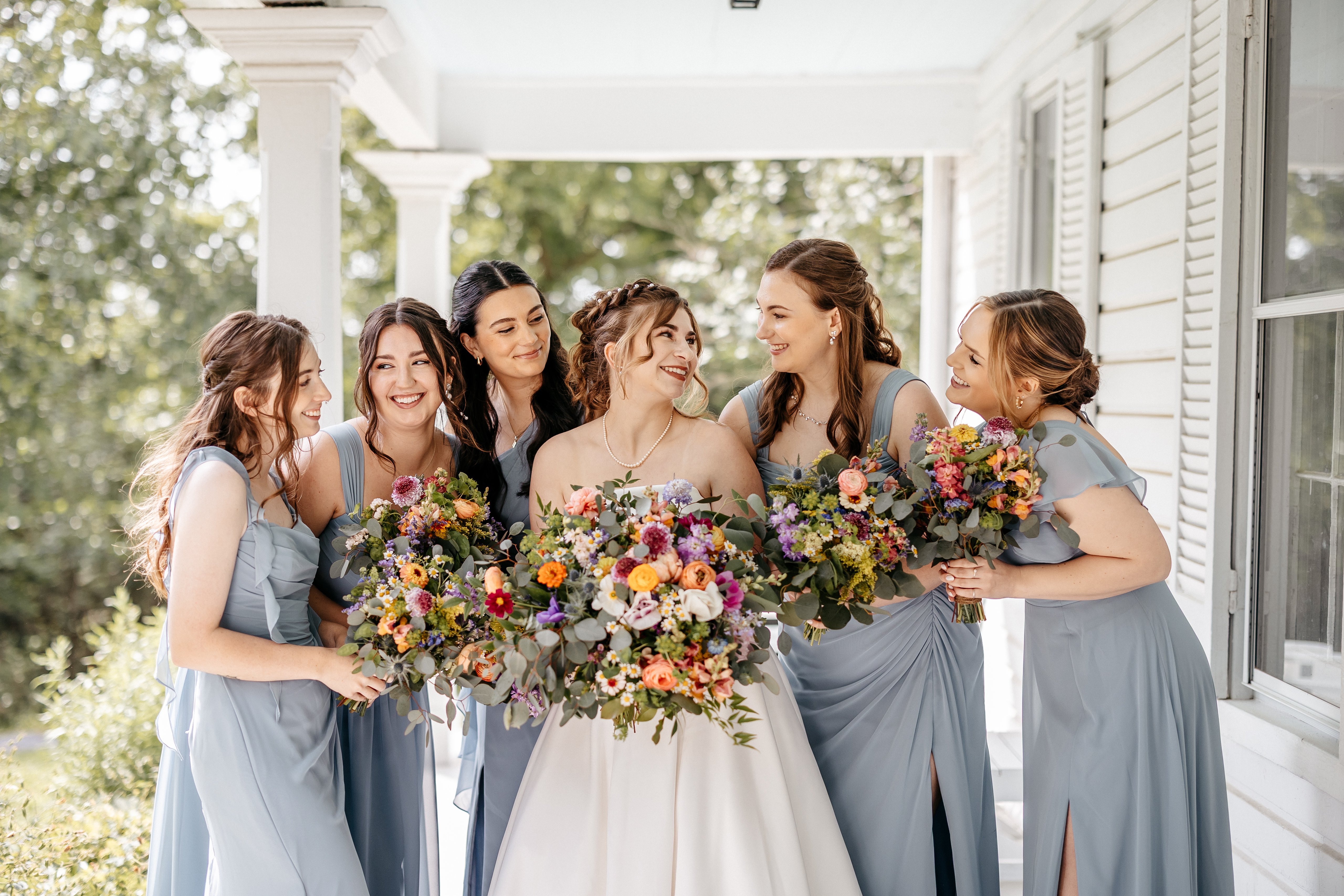
Virginia offers a wide range of wedding settings, and each one creates a different photographic experience. Virginia wedding venues for photography can include mountain overlooks, vineyard properties, historic estates, garden venues, and coastal locations. The scenery, architecture, available indoor spaces, sunset direction, and weather conditions all affect how a wedding gallery will look and how much time photography needs. Reflections Media considers these details when planning coverage so couples can choose a venue that supports both the celebration and the images they want to keep.
Why the Venue Matters to Wedding Photography
A venue does more than provide a place for the ceremony and reception. Its layout determines where portraits can happen, how far the photographer needs to travel between locations, and how natural light changes throughout the day.
A venue with several useful photo locations can give a gallery more variety without requiring long travel. A property with beautiful outdoor scenery but limited indoor options may require a stronger weather plan.
A Virginia wedding photographer will usually look at several details before recommending a photography timeline:
- Direction and quality of natural light
- Ceremony location and available backgrounds
- Distance between preparation rooms, ceremony spaces, and reception areas
- Indoor portrait options
- Sunset views and evening lighting
- Architectural features
- Garden, landscape, or water access
- Rain and weather backup spaces
- Rules regarding photography and movement around the property
These details can affect both the visual style of the gallery and the amount of time needed for portraits.
Mountain Venues Bring Dramatic Landscapes
Mountain wedding venues in areas such as the Blue Ridge region can provide expansive views, wooded surroundings, rolling hills, and layered landscapes. These settings are especially useful for couples who want their photographs to show a strong sense of place.
Mountain properties also require careful attention to timing. A venue may have an excellent view, but the best background is not always in the same location as the ceremony or reception.
A photographer may evaluate:
- View direction: Mountain views can look very different depending on the direction the camera faces and the position of the sun.
- Elevation: Sloped grounds can affect walking time between portrait locations.
- Sunset access: Trees or ridgelines can block direct sunlight earlier than expected.
- Weather: Clouds, wind, fog, and changing temperatures can alter outdoor plans.
- Indoor alternatives: A nearby room with attractive windows can provide an important backup for portraits.
Mountain venues often work well for couples who want landscape-focused portraits. The surrounding terrain can also create natural separation between family photographs, couple portraits, and candid moments.
Vineyards Offer Rows, Architecture, and Open Light
Virginia’s vineyard venues combine cultivated landscapes with buildings, terraces, gardens, and open fields. Rows of vines can create strong lines in photographs, while tasting rooms, stone buildings, and covered patios can add architectural variety.
The season also changes the appearance of vineyard properties. The color, texture, and density of the landscape may differ throughout the year, so couples should consider the visual character of the property on their wedding date.
For wedding photography Virginia, vineyard venues can offer several useful portrait settings within a relatively compact area. A photographer may use:
- Vineyard rows for couple portraits
- Open fields for wider photographs
- Building exteriors for architectural portraits
- Covered patios for weather protection
- Gardens for softer backgrounds
- Interior spaces for preparation and family photographs
Sunset planning deserves particular attention. An open vineyard may provide beautiful evening light, but the direction of the vines and surrounding structures can determine the actual view from a portrait location.
Historic Estates Add Architecture and Character
Historic estates and manor properties offer a different photographic setting. Large windows, staircases, columns, stone walls, landscaped grounds, formal gardens, and period architecture can provide strong visual variety.
These venues can be especially useful when outdoor conditions change because the architecture itself can become part of the photographs.
An estate should be assessed from both inside and outside. Look for:
- Large windows with useful natural light
- Attractive staircases or hallways
- Covered outdoor areas
- Formal gardens
- Distinctive entrances
- Symmetrical architectural features
- Rooms suitable for getting-ready photographs
- Indoor spaces large enough for family portraits
The position of the ceremony also matters. A ceremony facing a large window may produce a very different photographic result from one taking place under trees or against a darker interior wall.
For a wedding photographer in Virginia, the goal is not simply to find the most attractive part of the property. The better approach is to identify how different spaces work together throughout the wedding day.
Coastal Venues Create a Different Light Pattern
Virginia’s coastal and waterfront venues introduce water, open skies, docks, beaches, marshes, and waterfront architecture. These locations can produce clean backgrounds and wide compositions, but they also come with specific lighting and weather considerations.
Water can reflect daylight strongly, which can affect exposure and the appearance of skin tones. Open waterfront areas also provide less protection from wind.
Couples should check:
- Where the sun sets relative to the waterfront
- How accessible the shoreline is
- Wind exposure
- Indoor portrait options
- Tidal or shoreline access restrictions
- Distance between the ceremony and portrait areas
- Covered spaces for rain
- Lighting around docks, patios, and reception areas
A waterfront ceremony can look beautiful, but the ceremony position should be considered carefully. A photographer needs to work with the view while also maintaining comfortable light on the couple and guests.
How Different Virginia Venues Compare
A venue visit is an opportunity to assess the property specifically for photography rather than viewing it only as an event space. Look at the ceremony background, portrait locations, natural lighting, indoor alternatives, and the distance between major spaces. These details can make a noticeable difference in venue photography, especially when the property has several distinct areas that can be used throughout the day.
| Venue type | Strongest visual features | Main photography consideration | Useful backup |
|---|---|---|---|
| Mountain | Hills, forests, overlooks | Sunset can disappear behind ridges | Window-lit interiors |
| Vineyard | Vine rows, fields, terraces | Sun direction and seasonal landscape | Tasting rooms or covered patios |
| Estate | Architecture, gardens, windows | Movement between indoor and outdoor areas | Interior rooms |
| Coastal | Water, sky, shoreline | Wind, glare, and changing weather | Waterfront-facing indoor spaces |
This comparison can help couples narrow their choices based on the kind of gallery they want rather than selecting a venue based only on its appearance in promotional photographs.
Sunset Direction Can Change the Photography Timeline
Sunset is one of the most useful planning details for wedding photography, but the sunset time alone does not tell the full story.
A mountain venue may lose direct sunlight behind a ridge well before the official sunset time. A coastal venue may retain open light for longer because there are fewer physical obstructions. A vineyard surrounded by trees may experience shade earlier than an open estate.
A photographer should assess the actual portrait location rather than relying only on the venue’s general sunset time.
This can influence when couples schedule:
- Family portraits
- Wedding party photographs
- Couple portraits
- Ceremony coverage
- Cocktail hour
- Golden-hour portraits
Building the photography timeline around the venue’s real light conditions can prevent couples from reaching a favorite portrait location after the most useful light has disappeared.
Indoor Spaces Matter More Than They First Appear
Beautiful outdoor grounds may attract attention during a venue tour, but indoor spaces deserve the same level of consideration.
Virginia weather can change across seasons, and rain, heat, humidity, wind, or cold can affect outdoor photography. A good indoor option gives the photographer another environment without requiring the wedding party to leave the property.
Look for rooms with:
- Large windows
- Neutral or attractive walls
- Enough floor space for groups
- Interesting architectural details
- Minimal visual clutter
- Easy access from the ceremony or reception area
A bright indoor room can also be useful for getting-ready photographs, details, first looks, and family portraits.
Venue Layout Can Add or Remove Photography Time
A venue may have beautiful photo locations, but their distance from one another matters.
Imagine a property where the preparation suite is on one side, the ceremony garden is several minutes away, and the reception hall sits at the opposite end. Moving a large wedding party between these areas can consume more time than expected.
A venue with connected spaces may allow the photography team to create a wider range of images without interrupting the day’s rhythm.
Before booking, ask the venue:
- How far are the preparation rooms from the ceremony site?
- Can the photographer move freely around the property?
- Are there restrictions on photography locations?
- Is transportation required between areas?
- Can portraits continue during cocktail hour?
- What indoor spaces are available during poor weather?
- Are there areas reserved for private events or other guests?
These questions help create a realistic photography timeline before the wedding day arrives.
What a Photographer Should Review During a Venue Visit
A venue visit is an opportunity to assess the property specifically for photography rather than viewing it only as an event space.
A professional photographer can look for three layers of locations:
Primary locations: These are the strongest portrait and ceremony backgrounds.
Secondary locations: These provide variety and can be used when the primary space is occupied.
Weather locations: These are indoor or covered areas that remain useful during difficult conditions.
This approach gives the photography team options throughout the day. Reflections Media uses venue details as part of the planning process so the photography coverage works with the property’s natural characteristics.
Questions to Ask Before Booking a Virginia Wedding Venue
Couples can save time by asking photography-related questions before signing a venue agreement.
Does the venue have an indoor portrait space?
A dedicated indoor option can be valuable during rain, strong wind, extreme temperatures, or poor outdoor light.
Can photographers access all major areas?
Some properties restrict movement in certain gardens, private rooms, historical areas, or waterfront sections.
Is there enough time for portraits?
The venue’s layout should be considered alongside the ceremony and reception schedule.
Where does the sun set from the main portrait area?
The answer can affect the timing of couple portraits and the look of the final gallery.
Are there photography restrictions?
Ask about flash, tripods, drones, movement around historic structures, and access to specific grounds.
Choosing a Venue Based on Your Photography Priorities
The right venue depends on the visual experience you want from your wedding photographs.
Choose a mountain setting for dramatic landscapes and expansive views. A vineyard can provide structured rows, open fields, and architectural variety. An estate may be better suited to couples who want historic details, gardens, and indoor portrait options. A coastal venue can create wide, airy photographs with water and open skies.
For couples comparing wedding photography services Virginia, the venue should be part of the conversation from the beginning. Sharing the venue, ceremony plan, preferred portrait style, and wedding date allows the photography team to build a more realistic coverage plan.
Frequently Asked Questions
What are the best types of Virginia wedding venues for photography?
Mountain venues, vineyards, historic estates, gardens, and coastal properties can all work well. The strongest choice depends on the scenery, light, architecture, indoor options, and layout that match your preferred photography style.
How far in advance should couples visit a Virginia wedding venue with photography in mind?
A venue visit can be useful before finalizing the photography timeline. Couples can also ask their photographer to review the property once the venue and wedding date are confirmed.
How does weather affect wedding photography in Virginia?
Rain, humidity, wind, heat, cold, and changing cloud cover can affect outdoor portraits. An attractive indoor or covered location gives the photographer another option without relying entirely on outdoor conditions.
Does sunset affect Virginia wedding photography?
Yes. Mountains, trees, buildings, and waterfront conditions can change how much direct light reaches a portrait location. The actual surroundings should be considered alongside the published sunset time.
Can a venue’s layout affect photography coverage?
Yes. Long distances between preparation rooms, ceremony areas, portrait locations, and reception spaces can increase travel time. A well-planned route helps preserve more time for photographs.
Choosing the Right Virginia Setting for Your Wedding
The best venue for photographs is not simply the property with the most impressive view. It is the place where scenery, architecture, natural light, indoor options, weather planning, and movement between spaces work together.
A mountain venue can create dramatic landscape portraits, while vineyards provide strong lines and open light. Estates bring architectural character and indoor flexibility, while coastal locations offer water, sky, and expansive backgrounds. Each setting requires a different photography plan.
Before booking, walk through the property with photography in mind. Look at the ceremony background, portrait locations, sunset direction, indoor alternatives, and distance between major spaces. Then connect with our team to discuss how the venue can shape your photography timeline and coverage.
A well-chosen setting gives your photographer more than attractive backgrounds. It creates opportunities for photographs that reflect the landscape, architecture, atmosphere, and character of your Virginia wedding.
