
How Louisiana Humidity Can Affect Wedding Photography Before the Ceremony
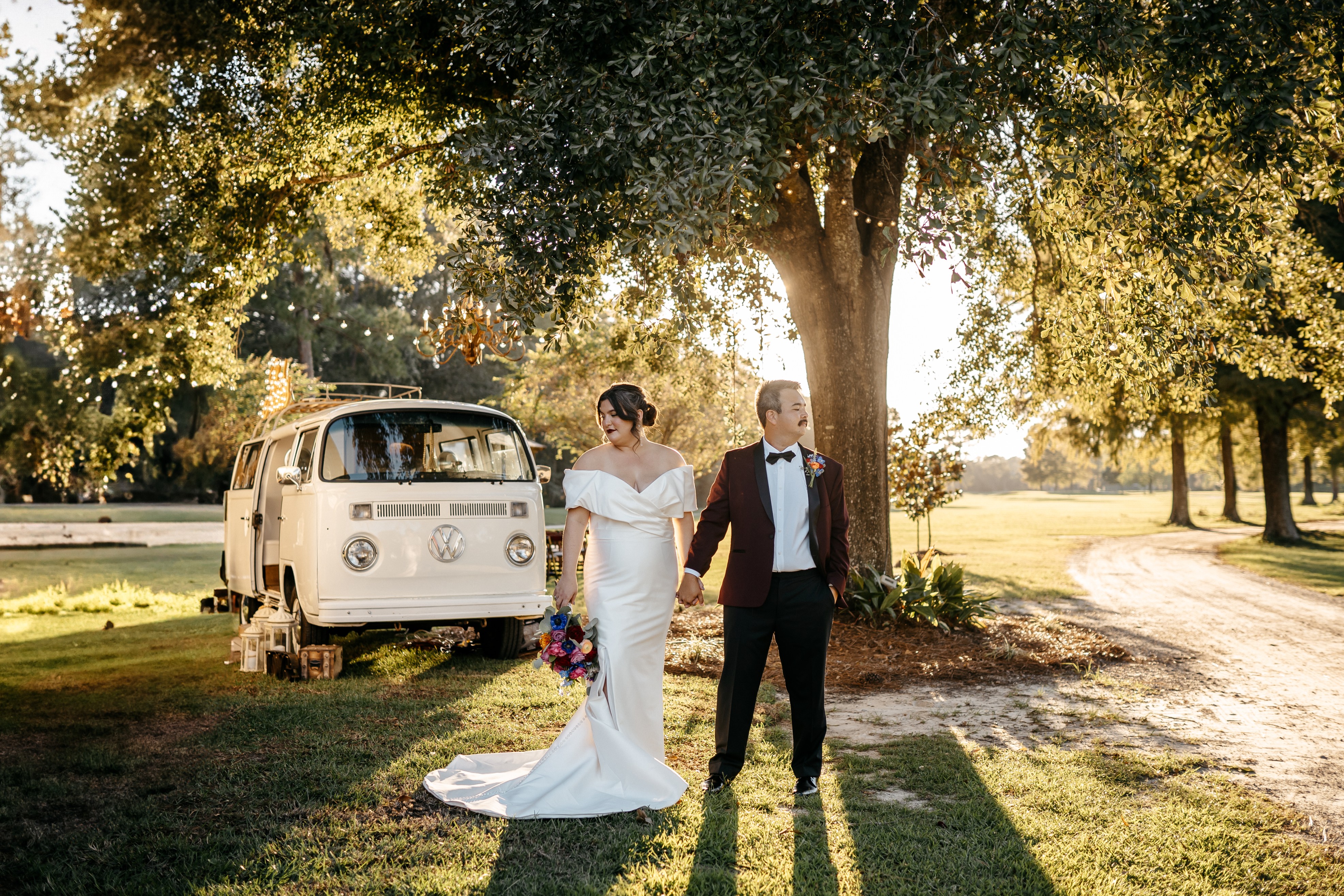
Louisiana heat and humidity can affect wedding photography before the ceremony by changing how couples feel outdoors, how quickly makeup and hairstyles respond to moisture, and how photographers manage light and equipment. Louisiana wedding photography weather can also influence portrait timing, outdoor locations, indoor backup plans, and the amount of time available before sunset. Reflections Media plans around these conditions so couples can enjoy natural-looking photographs without building the entire timeline around ideal weather.
Why Humidity Matters Before the Ceremony
Louisiana has a humid climate for much of the year, and conditions can vary considerably between New Orleans, Baton Rouge, Lafayette, the Northshore, and other parts of the state. Outdoor wedding portraits can look beautiful in this environment, but humidity affects more than comfort.
Moisture in the air can make temperatures feel warmer, especially during afternoon portraits. Couples may notice perspiration, softened hairstyles, makeup changes, or damp clothing. Cameras and lenses also need careful handling when moving between air-conditioned interiors and warm outdoor spaces.
A good photography timeline accounts for these details instead of treating outdoor portraits as a fixed block of time.
For couples working with a Louisiana wedding photographer, several factors deserve attention before the wedding day:
- Time of year and expected temperature
- Humidity levels during the afternoon
- Ceremony and reception locations
- Amount of shade around the venue
- Distance between indoor and outdoor spaces
- Sunset time
- Availability of air-conditioned rooms
- Rain and storm possibilities
- Length of the portrait session
- Lighting inside the venue
Planning around these conditions can make the photography schedule more comfortable and more practical.
How Louisiana Seasons Change the Photography Timeline
Louisiana does not offer the same photography conditions throughout the year. Seasonal differences can affect how long couples can comfortably remain outdoors and which parts of the day provide the best light.
Spring
Spring can offer pleasant outdoor conditions, but humidity and temperatures can rise as the season progresses. Afternoon portraits may still feel warm, particularly at venues with little shade.
Photographers may recommend using shaded areas for portraits and reserving open outdoor locations for shorter sessions. Early evening can also provide softer light and more manageable temperatures.
Summer
Summer usually requires the most careful planning. Heat and humidity can make extended outdoor portraits uncomfortable, particularly during the middle of the afternoon.
A practical schedule may place formal portraits indoors or in shaded areas before the ceremony, then reserve a shorter outdoor session closer to sunset. This reduces exposure to peak afternoon heat while still giving couples access to Louisiana’s outdoor scenery.
Fall
Fall can provide more comfortable conditions, but temperatures and humidity vary by month and region. Earlier fall dates can still feel quite warm.
Couples should not assume that a fall wedding automatically means cool outdoor conditions. Checking the expected temperature and humidity several days before the wedding can help the photography team adjust the timeline.
Winter
Winter generally provides milder conditions for outdoor photography. Shorter daylight hours, however, can affect portrait scheduling.
If the ceremony takes place later in the afternoon, couples may have limited natural light for portraits afterward. The photography timeline should account for sunset before finalizing ceremony and reception times.
Outdoor Portraits Need More Than a Beautiful Location
A Louisiana venue can have gardens, courtyards, balconies, waterfront areas, historic architecture, or large lawns. These settings can add variety to wedding photographs, but the most attractive location is not always the best place for a long portrait session.
Direct sunlight can create harsh shadows, while open areas can leave couples exposed to heat. Shaded locations often provide more consistent light and greater comfort.
Photographers can also use the venue itself as part of the solution. Covered walkways, verandas, tree-lined paths, architectural entrances, and shaded courtyards may provide attractive backgrounds without requiring couples to stand in direct sun.
A useful portrait location should offer a combination of:
- Good light: Open shade can produce softer and more flattering illumination.
- Comfort: A cooler location helps couples stay relaxed during portraits.
- Privacy: Private areas reduce interruptions from guests and venue activity.
- Visual variety: Multiple backgrounds can create a fuller gallery without requiring long walks.
- Easy access: Locations close to the getting-ready room or ceremony site save valuable time.
This is particularly useful for wedding photography Louisiana couples plan during warmer months.
Indoor Alternatives Should Be Chosen Before the Wedding
An indoor backup location should not be treated as an emergency-only option. It can become part of the photography plan from the beginning.
A good indoor location might include a well-lit bridal suite, reception room, historic hallway, covered veranda, chapel, hotel lobby, or architectural interior. Large windows can provide natural light, while controlled indoor lighting can help maintain consistency when daylight is limited.
Before the wedding, the photographer should know:
- Which rooms are available for portraits
- How much natural light enters each space
- Which areas remain private
- Where large groups can gather
- How easily the couple can move between indoor and outdoor locations
- Which spaces are available during the ceremony setup
- What lighting will be present during the reception
This preparation becomes particularly useful during periods of high humidity, heavy rain, or sudden storms.
Sunset Timing Can Change the Entire Portrait Plan
Sunset is one of the most valuable parts of the wedding photography timeline in Louisiana. The light near sunset can be softer and warmer than strong afternoon sunlight, making it useful for couple portraits and outdoor wedding-party photographs. This softer light also works well with elegant portrait picture poses that keep the couple looking natural and connected.
The challenge is that sunset arrives at a specific time, while ceremonies and receptions operate on their own schedules.
For example, a late afternoon ceremony may leave only a short period for outdoor portraits before the light changes. A photographer may recommend completing family and wedding-party portraits before the ceremony so the couple can use the limited post-ceremony time for creative portraits.
A simple timeline might look like this:
| Photography period | Main purpose | Weather consideration |
|---|---|---|
| Getting ready | Detail and preparation photos | Stay indoors and use window light |
| Pre-ceremony | Family or wedding-party portraits | Use shade or air-conditioned areas |
| Ceremony | Vows and reactions | Consider indoor light and window direction |
| Immediately after | Couple portraits | Keep outdoor session focused |
| Near sunset | Creative portraits | Use softer natural light |
| Reception | Candids and details | Adjust for venue lighting |
The exact schedule depends on the wedding date, venue, ceremony time, and sunset.
Reception Lighting Matters Too
Humidity is most noticeable outdoors, but reception photography requires its own lighting plan. Once the sun goes down, photographers rely on the venue’s existing lighting and professional equipment.
Reception spaces can include chandeliers, string lights, uplighting, candles, windows, colored lighting, and dark ceilings. Each affects how photographs appear.
A photographer may need to balance ambient light with flash so that images retain the atmosphere of the venue without becoming too dark or overly bright.
Couples should also tell their photographer about planned lighting effects, such as a sparkler exit, cold spark effects, dancing lights, or a dramatic first dance setup. Knowing the reception schedule in advance helps the photography team prepare for those moments.
Regional Differences Across Louisiana
Louisiana wedding photography should reflect the setting rather than follow one statewide formula.
A New Orleans wedding may involve historic architecture, courtyards, balconies, or urban streets. Baton Rouge venues may offer gardens, estates, and modern interiors. Lafayette weddings can feature spacious outdoor properties and Southern-style architecture, while Northshore venues may combine wooded surroundings, gardens, and waterfront scenery.
These differences affect portrait locations and travel time between parts of the venue.
A wedding photographer Louisiana couples hire should review the actual property before creating a final photography timeline. A venue that looks compact on a map may require considerable walking between preparation rooms, ceremony areas, portrait locations, and reception spaces.
How Couples Can Prepare for Humid Weather
Couples do not need to avoid outdoor photography simply because the forecast shows heat or humidity. A few practical preparations can make outdoor sessions easier.
Before the wedding
- Check the forecast several days before the event.
- Ask the venue about air-conditioned spaces.
- Identify shaded portrait locations.
- Keep blotting products and makeup touch-up items nearby.
- Plan extra time for hair and makeup adjustments.
- Choose comfortable footwear for outdoor portraits.
- Tell the photographer about preferred outdoor locations.
- Confirm the sunset time for the wedding date.
- Create an indoor portrait option before the wedding day.
A thoughtful photography timeline can also prevent the couple from spending too much time outside during the warmest part of the afternoon.
What Couples Should Ask Their Photography Team
Not every photographer handles Louisiana weather in the same way. During consultations, couples can ask practical questions that reveal how the photographer plans for local conditions.
Consider asking:
- How do you schedule outdoor portraits during hot and humid months?
- What happens if outdoor portraits become uncomfortable?
- Do you scout indoor portrait locations at the venue?
- How do you plan around sunset?
- How much time should we allow for outdoor couple portraits?
- How do you handle sudden rain or storms?
- Can you photograph indoor portraits using available window light?
- How do you manage reception lighting after sunset?
The answers can provide a clearer picture of how the photographer will approach the wedding day.
How Reflections Media Plans Around Louisiana Conditions
Reflections Media considers the venue, season, natural light, sunset timing, indoor options, and movement between locations when developing a wedding photography timeline.
The goal is not to remove outdoor photographs from the day. It is to place them at times and locations that make sense for the couple, the venue, and the weather.
For wedding photography services Louisiana couples are comparing, this type of planning can make a meaningful difference. Strong photography is not only about finding attractive backgrounds. It also requires understanding how light, temperature, humidity, venue layout, and timing interact throughout the day.
FAQ
Does humidity affect wedding photos in Louisiana?
Yes. High humidity can affect comfort, makeup, hairstyles, clothing, camera equipment, and the amount of time couples want to spend outdoors. A planned indoor option and shorter outdoor portrait sessions can help.
What is the best time for outdoor wedding photos in Louisiana?
Late afternoon and the period around sunset can provide softer natural light. The best time depends on the wedding date, sunset time, venue orientation, weather, and ceremony schedule.
Should Louisiana couples plan indoor wedding portraits?
Yes. An indoor option gives the photography team another location if outdoor heat, humidity, rain, or storms make the original plan impractical.
How long should outdoor wedding portraits take in hot weather?
The ideal duration depends on temperature, humidity, shade, and the couple’s comfort. Short, focused sessions can work well when conditions are warm, particularly when family and wedding-party portraits are completed separately.
Can wedding photographers work outside during Louisiana summers?
Yes. Experienced photographers can work in hot and humid conditions, but the timeline should allow for breaks, shaded locations, indoor alternatives, and efficient movement between portrait areas.
Planning Better Wedding Photos Around Louisiana Weather
Louisiana humidity does not have to prevent couples from having beautiful outdoor wedding photographs. The stronger approach is to build the photography schedule around actual conditions rather than treating weather as an afterthought.
Season, temperature, humidity, sunset, venue layout, indoor lighting, and portrait locations all influence the final timeline. A photographer familiar with local conditions can identify practical options before the wedding day and adjust the plan as the forecast becomes clearer.
Couples comparing a Louisiana wedding photographer or wedding photography Louisiana services should ask how the team handles heat, humidity, changing light, and indoor alternatives. If you want to discuss your venue, timeline, and photography plans, connect with our team so the schedule can be built around the conditions your wedding is likely to face.
